Two Months Alive
How a Long-Standing Frustration Finally Became a Musical Universe
Two months after the first step of Visa Run Orchestra, the project already feels both new and strangely old. New, because it has only just begun to exist publicly: songs, lyric videos, covers, journal entries, platforms, a website, and the first signs of a world taking shape. Old, because the desire behind it has been there for a very long time. Long before Bali, before the visa runs, before the bule society, before the first chorus finally appeared, there was a quieter frustration: the feeling that music had always been close, essential, formative — and yet somehow remained just out of reach as a creative language.
Music was never a minor presence in my life. As a child and teenager, I was encouraged to play instruments, first piano, then saxophone. I was not raised inside one single musical chapel, and that probably matters. Gainsbourg, The Beatles, Michael Jackson, Pixies, Jean-Jacques Goldman, Barbara and many others formed a private soundtrack of adolescence, played on cassette tapes at a time when the Walkman still reigned with magnificent plastic authority. Songs were not background decoration. They were scenes, climates, attitudes, secret rooms, emotional shortcuts. They taught me that a melody could carry irony, desire, melancholy, insolence or tenderness with a precision that words alone sometimes fail to reach.
When I became a screenwriter, one of my first major writing projects was already a musical. It was called Mélodie Market, and it revolved around our worlds of consumption, our hunger for beauty, and our dreams of grandeur. Later came Maria Poppers, a darker, more provocative variation on the Mary Poppins mythology, built around a catalogue of French songs with a more unruly, adult and deliberately insolent spirit. These projects never moved far beyond the concept stage, but they were important. They proved that the attraction was not casual. I was already thinking in songs, scenes, characters and emotional architectures. I simply did not yet have the means, the collaborators or perhaps the permission to take that language further.
For years, that remained one of the unresolved rooms in my creative life. I could write, direct ideas, build visual worlds, shape brands, imagine atmospheres and develop stories, but music stayed on the other side of a glass wall. I could see what it could do. I could feel where a song should enter, where a character should sing instead of speak, where irony needed rhythm, where melancholy needed a refrain. But the distance between intuition and production was too wide. A musical universe requires more than wanting it. It requires tools, method, sound, iteration, and enough freedom to let a strange idea survive its first ridiculous form.
Visa Run Orchestra began when that distance finally became smaller. Modern tools did not replace the need for taste, writing, direction or judgement; if anything, they made those things more necessary. But they allowed an old desire to become practical. After twenty-five years of unfinished musical impulses, I could finally begin to give form to narrative songs: songs that behave like scenes, characters, postcards, warnings, jokes, farewells and fragments of an imaginary musical. That is why VRO arrived with such force. It was not only the beginning of a new project. It was the reopening of a door that had been waiting for decades.
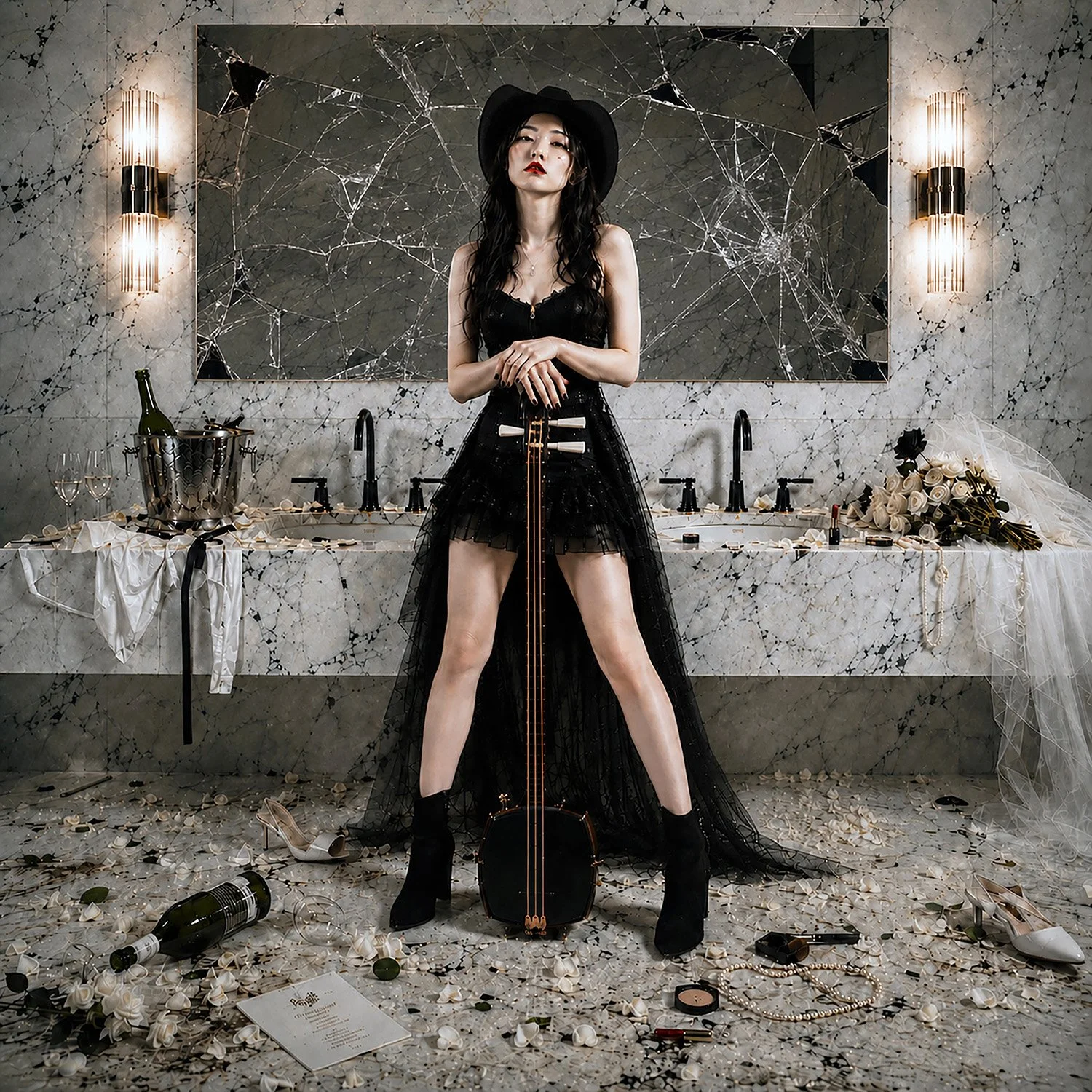
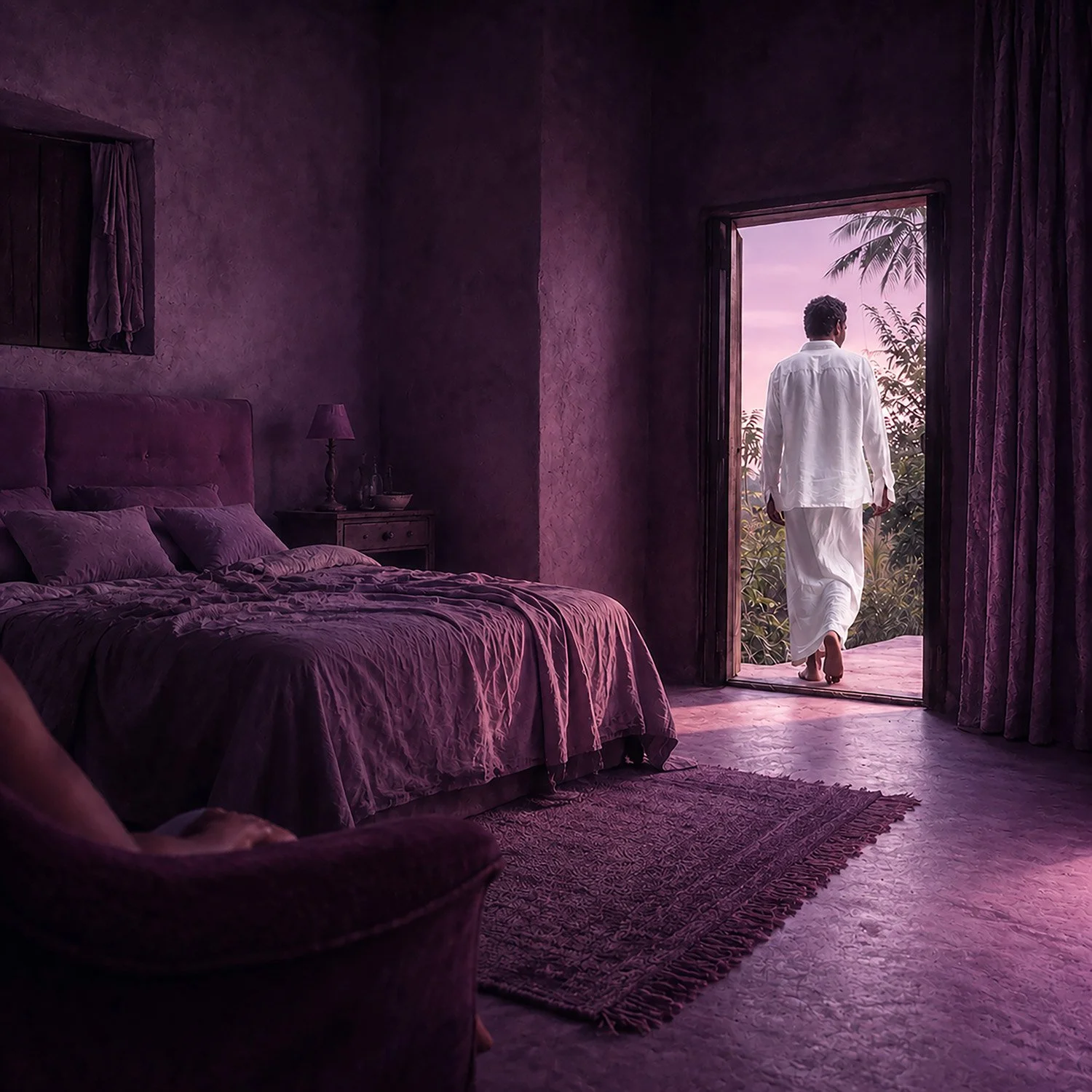
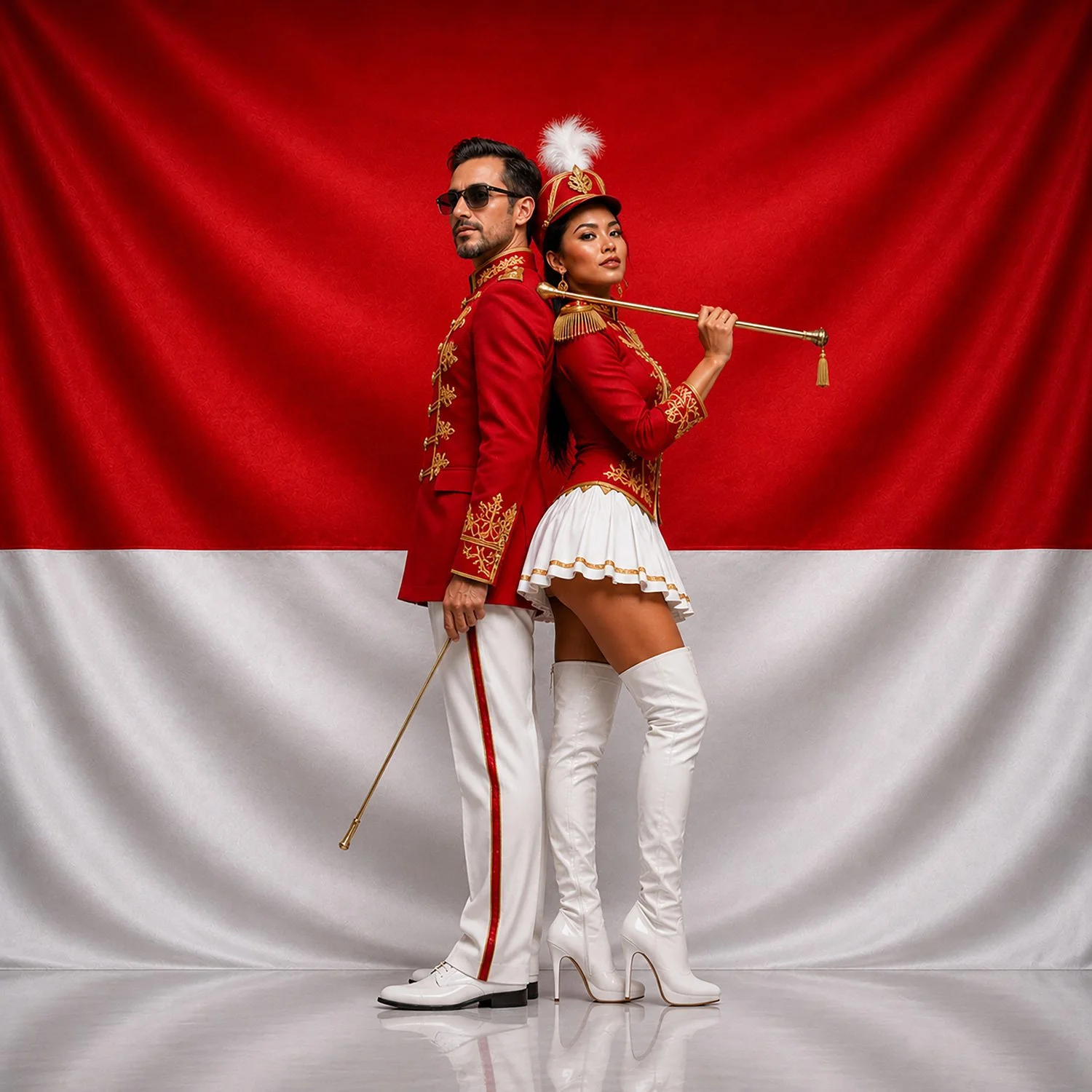



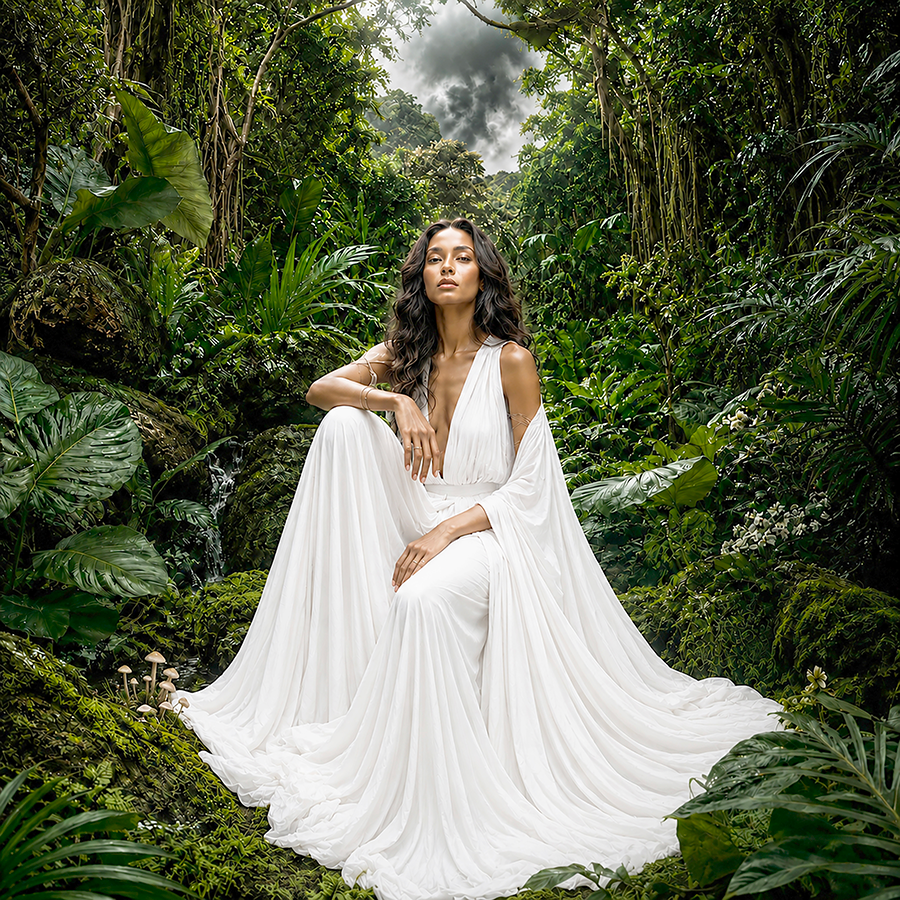
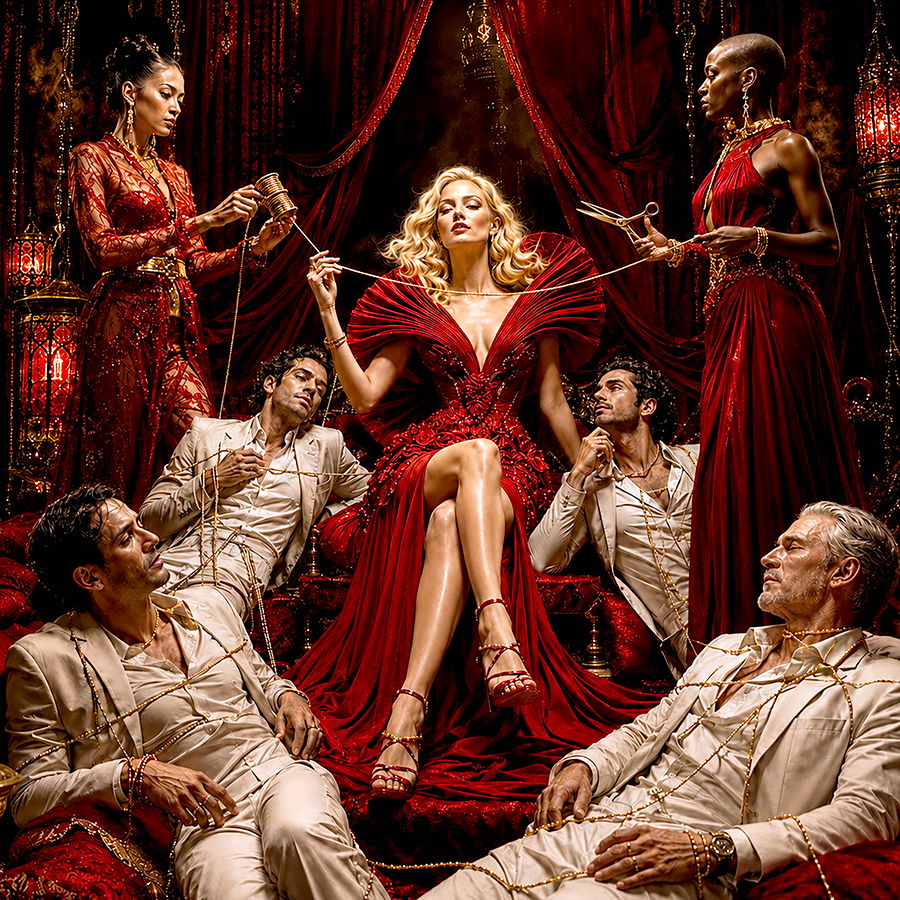
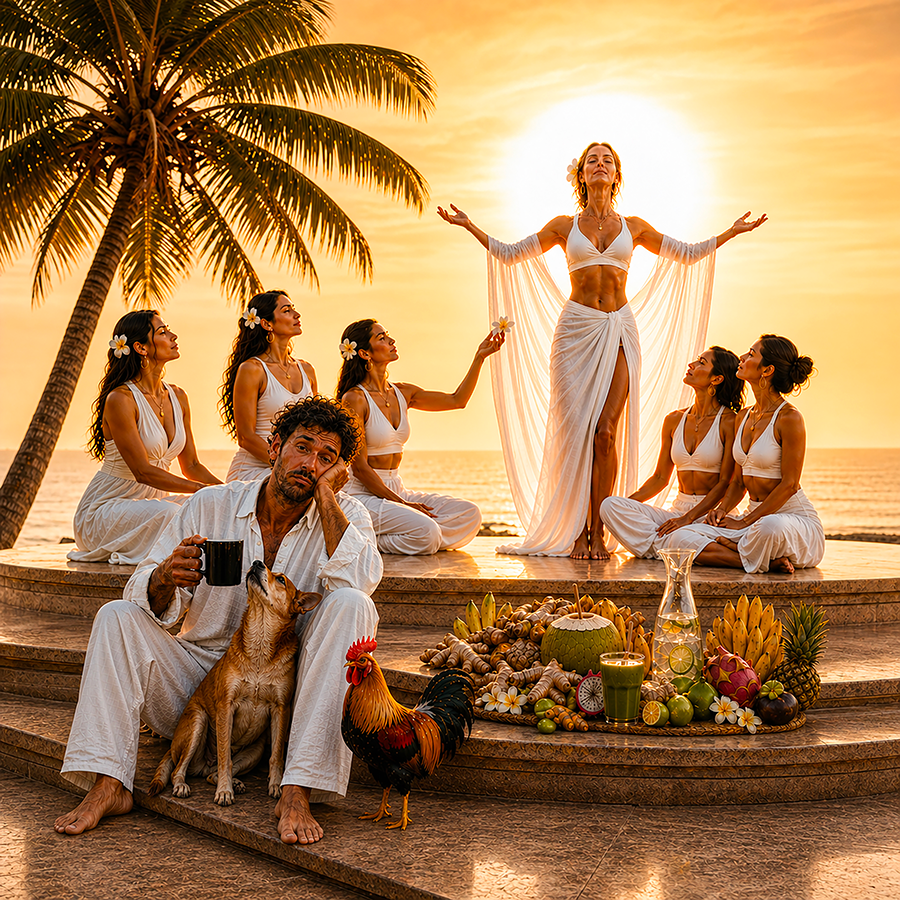
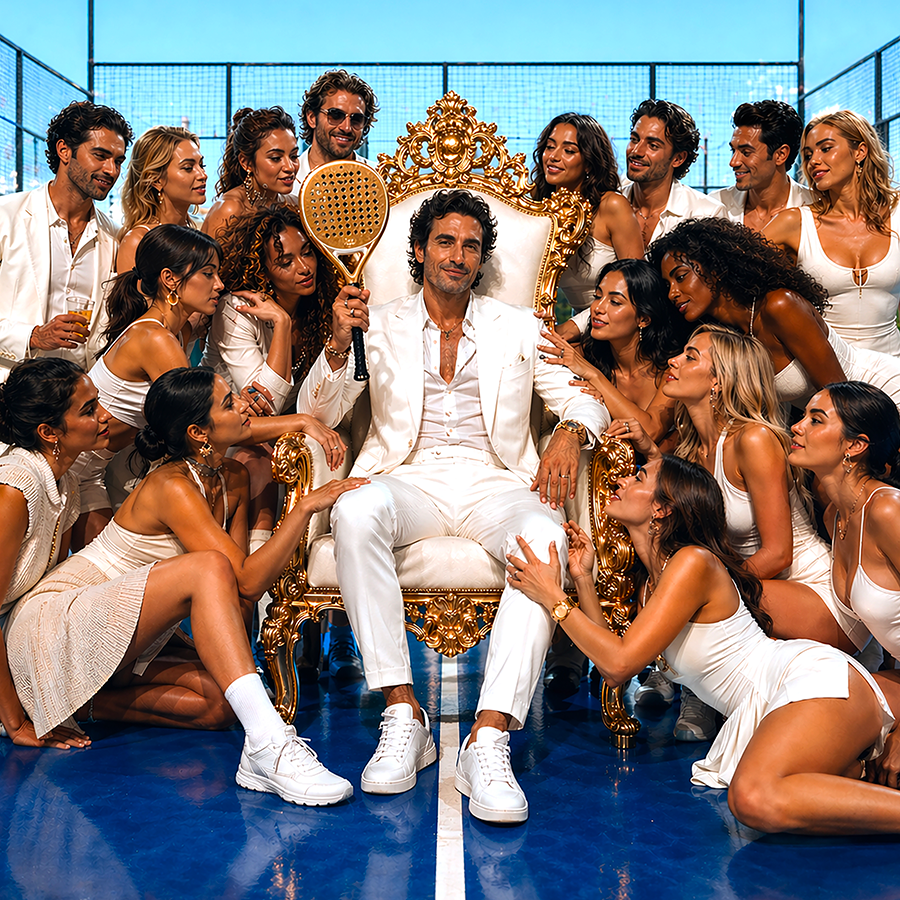
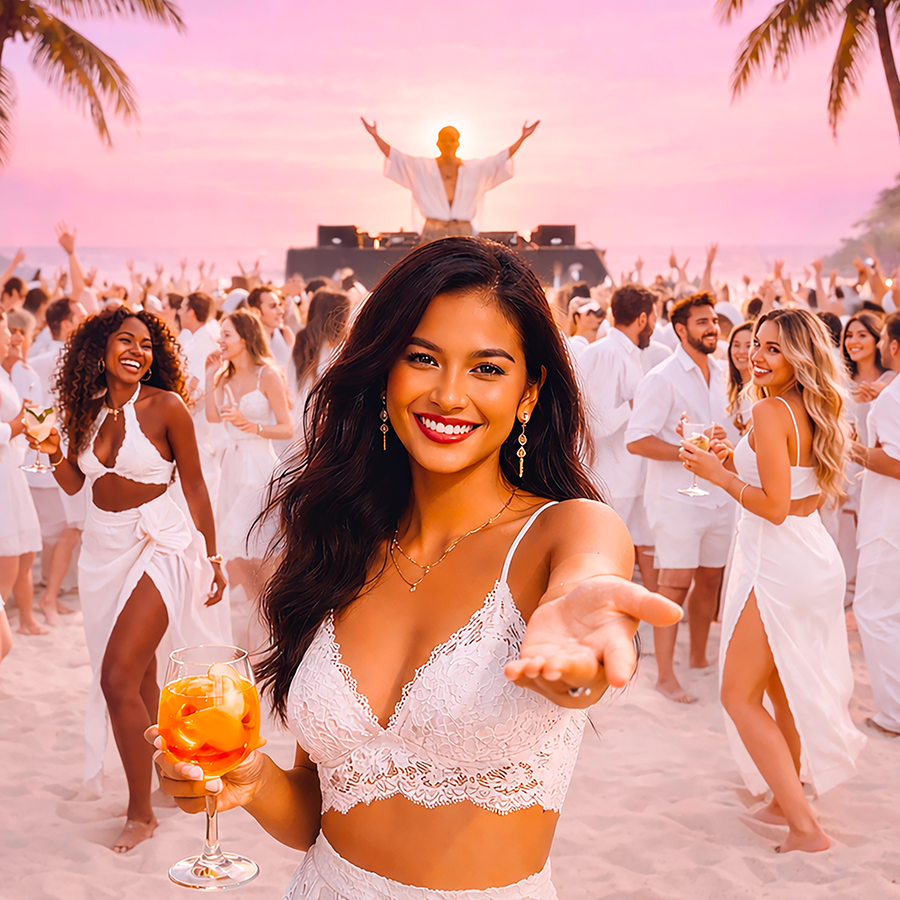
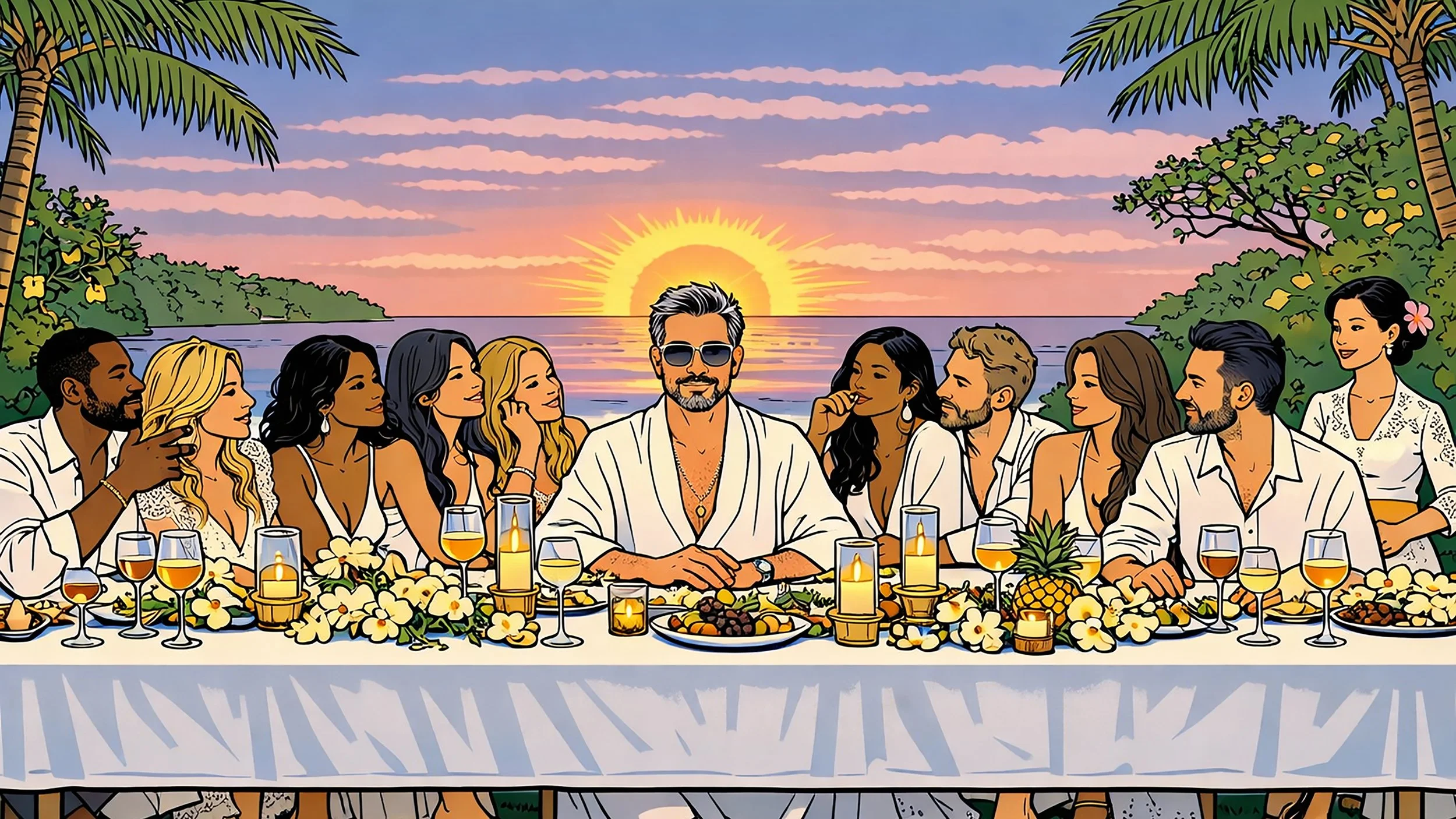
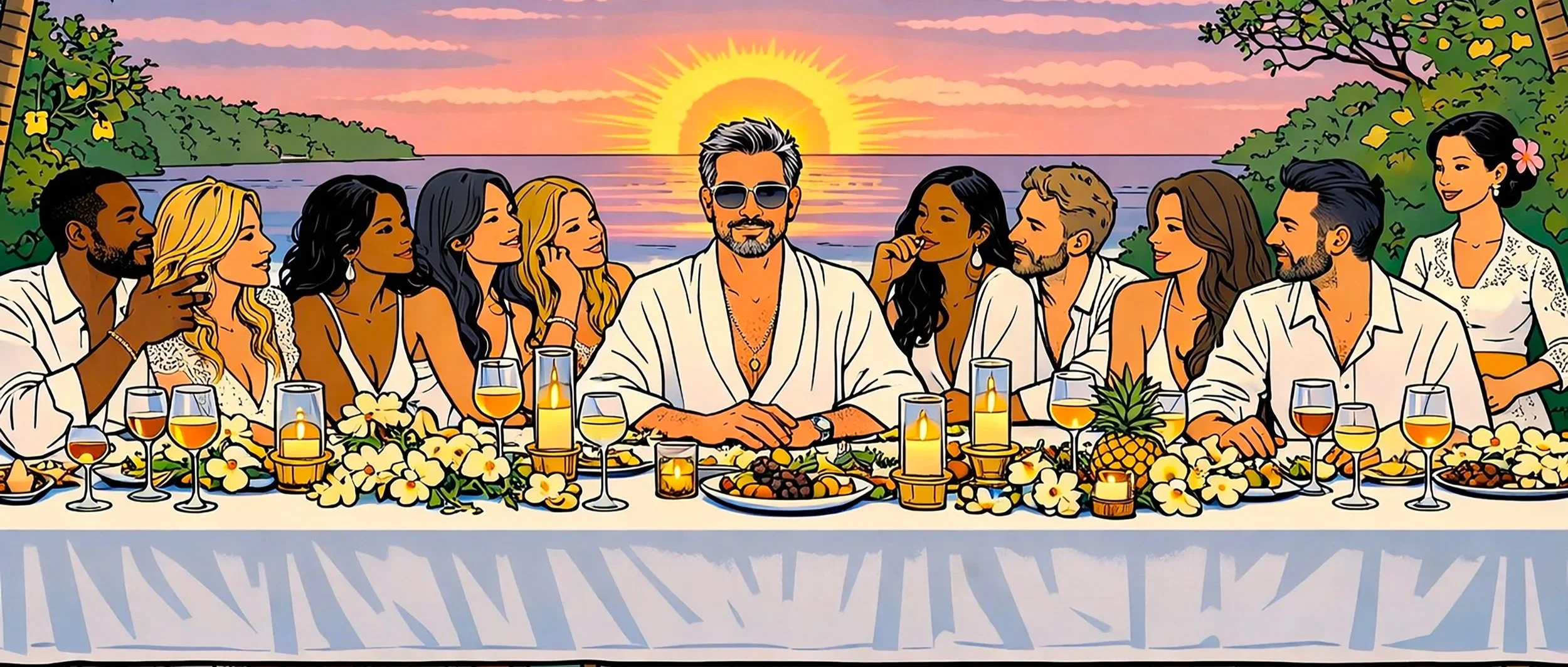
In its first two months, Visa Run Orchestra has already revealed the outline of its own world. Bali Bule Society opened the stage and introduced the tribe. Padel Is Life brought in the first social myth. My Healthy Sunrise turned the morning ritual into a small comedy of reinvention. Red Flag entered the theatre of desire and self-deception. I Have Time allowed nature to answer back with a slower intelligence. L’Étranger looked behind the exile and returned to the French language of origin, memory and farewell. Java Girl introduced a new main character, opening the story toward another kind of freedom. Alongside the songs, the City Layovers began to create a second branch of the project: longer, more atmospheric, made of cities, transit, rain, voices and emotional suspension.
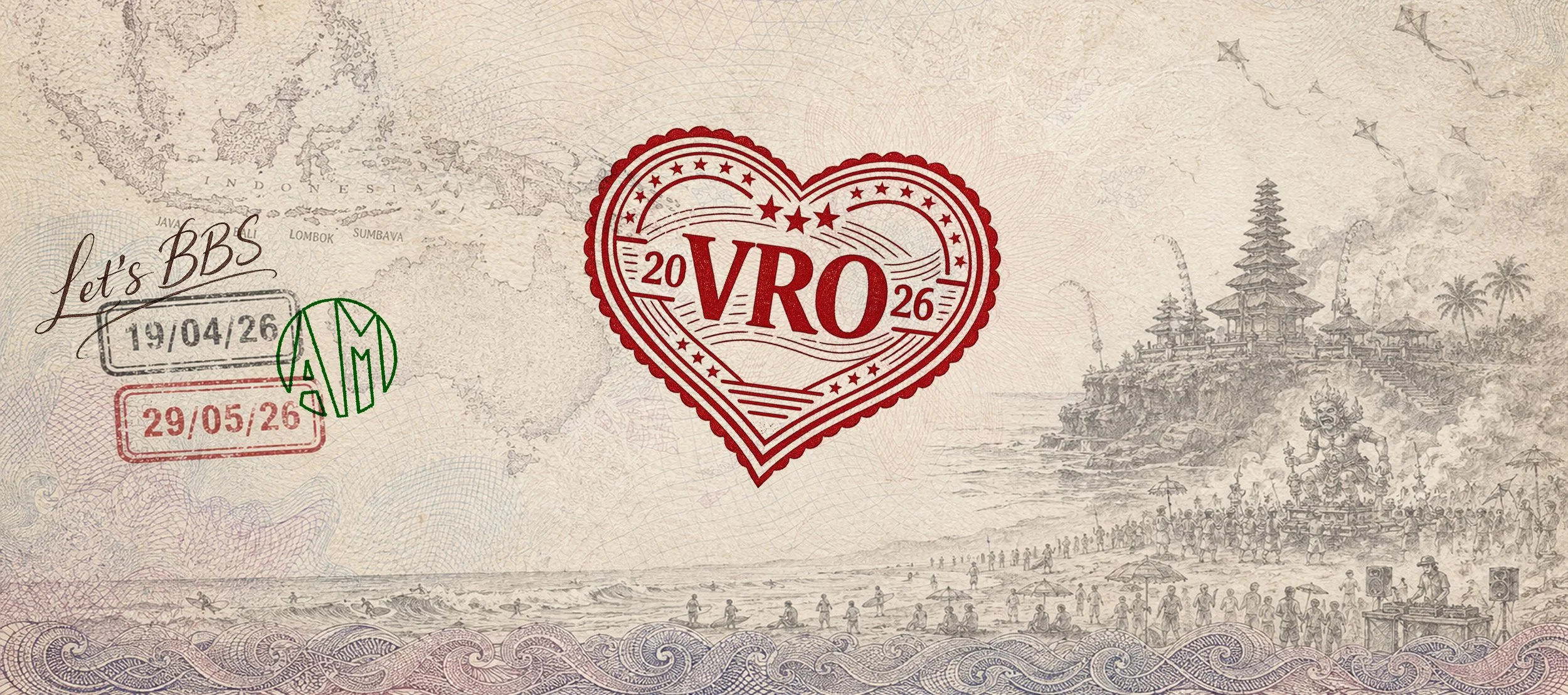
What has emerged is not exactly a band, not exactly a musical, not exactly a travel diary, and not simply a collection of singles. It is a narrative pop universe built from the materials that have always interested me: characters, social comedy, beauty, exile, reinvention, absurdity, desire, melancholy, and the strange dignity of people trying to become someone else under circumstances that are not always as glamorous as they look. Bali gave the project its stage. The visa run gave it its metaphor. Music finally gave it its body.
This is only the beginning, of course. Two months is nothing in the life of a real project. But sometimes the beginning is enough to understand the nature of what has arrived. Visa Run Orchestra did not appear as a marketing idea looking for songs. It appeared because the songs were the missing form. After years of telling stories around music, near music, beside music, the project finally allowed the story to enter the music itself.
Visa Run Orchestra is now available on the major streaming platforms, including Spotify, Apple Music, Amazon Music, Tidal, Deezer and YouTube Music, and the project is also beginning to take shape across the main social channels: Instagram, TikTok, YouTube, Facebook, X and Threads. At this early stage, following the project is already a real form of support. It helps the music travel, gives the universe a little more oxygen, and allows the next Bali Musical songs, videos, City Layovers and journal entries to find their audience. The door is open now. The best way to help is simply to step inside, listen, follow, share when it feels right, and stay close to the story as it begins.